Jackson Pollock: Blind Spots

30 June – 18 October 2015
http://www.tate.org.uk/

Jackson Pollock (1912–56) is widely considered to be one of the most influential and provocative American artists of the twentieth century. Pollock famously pioneered action painting, a process that saw him drip paint on canvases resting on the studio floor. Jackson Pollock: Blind Spots presents the first exhibition in more than three decades of Pollock’s paintings made between 1951 and 1953, shedding light on a less well known but extremely influential part of his practice and departure from his signature technique.

Jackson Pollock: Blind Spots brings together the most significant showing of this widely debated body of work in a public institution since 1980. These paintings had a profound impact on the language of contemporary art, with noted art historian Michael Fried commenting that it was while Pollock was making his black pourings that he was ‘on the verge of an entirely new and different kind of painting … of virtually limitless potential’.

Endless House: Intersections of Art and Architecture

June 27, 2015–March 6, 2016
http://www.moma.org/

Endless House considers the single-family home and archetypes of dwelling as themes for the creative endeavors of architects and artists. Through drawings, photographs, video, installations, and architectural models drawn from MoMA’s collection, the exhibition highlights how artists have used the house as a means to explore universal topics, and how architects have tackled the design of residences to expand their discipline in new ways. The exhibition also marks the 50th anniversary of the death of Austrian-Hungarian-born artist and architect Frederick Kiesler (1890–1965). Taking its name from an unrealized project by Kiesler, Endless House celebrates his legacy and the cross-pollination of art and architecture that made Kiesler's 15-year project a reference point for generations to come. Work by architects and artists spanning more than seven decades is exhibited alongside materials from Kiesler’s Endless House design and images of its presentation in MoMA’s 1960 Visionary Architecture exhibition. Intriguing house designs—ranging from historical projects by Mies van der Rohe, Frank Gehry, Peter Eisenman, and Rem Koolhaas, to new acquisitions from Smiljan Radi and Asymptote Architecture—are juxtaposed with visions from artists such as Louise Bourgeois, Bruce Nauman, Mario Merz, and Rachel Whiteread. Together these works demonstrate how the dwelling occupies a central place in a cultural exchange across generations and disciplines.

MIGRATIONS DIVINES

Du 24 juin 2015 au 16 novembre 2015
http://www.mucem.org/

A travers une collection d’œuvres et d’objets archéologiques exceptionnels prêtés par la Fondation Gandur pour l’Art et le Musée d’Art et d’Histoire de Genève, le MuCEM apporte un nouveau regard sur la dynamique des grands polythéismes antiques. Loin d’être des faits religieux isolés et figés, ces grands bassins de culture se croisent et se répondent au cœur de la Méditerranée.

Cette nouvelle exposition phare interroge ce dialogue entre les panthéons grec, romain et égyptien, dans leurs pratiques, leurs représentations, ou dans les réponses qu’elles apportent aux questions relatives à la réussite et à la finalité de l’existence. Le commerce, et parfois les conquêtes militaires, ont largement contribué à la diffusion des dieux antiques.

Ces échanges intellectuels entre les civilisations ont façonné des formes théologiques nouvelles, qui illustrent pleinement la perméabilité et l’esprit de tolérance porté par les religions de l’antiquité.

Святой равноапостольный князь Владимир

23 июня - 12 октября
http://www.shm.ru

История крещения и жизнь великого русского князя Владимира Великого, прозванного народом при жизни Красным Солнышком, которого церковь еще при жизни причислила к лику святых. В собрание включены древние карты и летописи, иконы, артефакты, найденные в местах археологических раскопок. Экспозиция посвящена 1000-летней годовщине со дня смерти крестителя Руси. В экспозицию вошли предметы из фондов Исторического музея.

Piero di Cosimo (1462-1522) – Pittore “fiorentino” eccentrico fra Rinascimento e Maniera

23 giugno – 27 settembre
http://www.polomuseale.firenze.it/

Genio eccentrico del Rinascimento fiorentino, Piero di Cosimo è una figura quasi sconosciuta, nonostante l’apprezzamento dimostrato dalla critica e l’ampio catalogo di dipinti di tema sacro e profano oggi conservati in musei e collezioni di tutto il mondo. Figlio di un fabbro di nome Lorenzo, Piero compì il proprio apprendistato nella bottega del pittore Cosimo Rosselli, affacciandosi nella scena artistica negli anni in cui Lorenzo il Magnifico era alla guida di Firenze e in città erano attivi pittori eccellenti, da Botticelli a Filippino Lippi, da Ghirlandaio a Leonardo da Vinci, mentre dalle Fiandre giungevano opere d’arte eseguite dai maestri fiamminghi altrettanto straordinarie.
Da questo coacervo culturale Piero elaborò un linguaggio originalissimo, improntato ad una acuta osservazione del naturale, che rivela affinità con i pittori d’oltralpe e Leonardo da Vinci, attraverso il quale modelli compositivi e tipologici tradizionali assumono connotazioni insolite straordinarie. Dell’originalità della pittura di Piero, Giorgio Vasari sembra trovare un corrispettivo nella biografia del maestro che egli descrive come un uomo poco socievole, assorto nella contemplazione della natura nei suoi aspetti più selvaggi e inconsueti, dalla quale traeva l’ispirazione per invenzioni fantastiche tradotte in pittura o per la realizzazione di bizzarri carri allegorici per sfilate oggi perduti, ma decantati dai suoi contemporanei. Scarsi sono i dati biografici noti sul maestro; nato nel 1462, nel 1482 risulta iscritto alla Compagnia di San Luca, mentre si immatricola all’Arte dei medici e degli speziali nel 1504. La ricostruzione del suo percorso artistico ruota intorno a poche opere documentate, come la Visitazione eseguita per la cappella Capponi nella chiesa di Santo Spirito (1489-1490), oggi alla National Gallery a Washington, la Sacra Conversazione commissionata da Piero del Pugliese (1491-1493) per l’Ospedale degli Innocenti, il dipinto raffigurante Perseo e Andromeda oggi agli Uffizi, parte dell’arredo della camera del palazzo di Filippo Strozzi eseguito intorno al 1510, tutte presenti in mostra.

L’esposizione, la prima retrospettiva monografica dedicata a Piero di Cosimo, presenta dunque attraverso un ordinamento cronologico il catalogo del maestro, dove, accanto ad imponenti pale d’altare, si incontrano numerosi ‘tondi’ di destinazione domestica, particolari e misteriosi dipinti di tema profano, commissionati dalle più colte e raffinate famiglie fiorentine per le loro residenze e straordinari ritratti. Saranno esposti circa quarantacinque dipinti di Piero di Cosimo e una trentina di disegni, capolavori utili per comprendere il percorso creativo seguito dall’artista. Completa il percorso un gruppo scelto di opere di maestri coevi, come Filippino Lippi, Lorenzo di Credi, il Maestro di Serumido, Cosimo Rosselli e Fra’ Bartolomeo in serrato dialogo stilistico o iconografico con Piero, per un totale di circa cento opere.


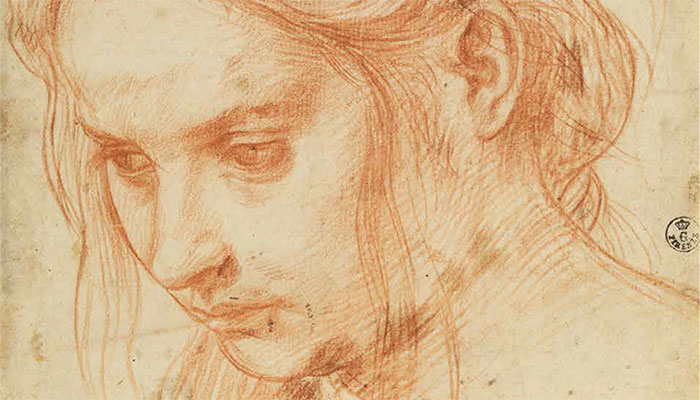

Andrea del Sarto: The Renaissance Workshop in Action

June 23–September 13, 2015
http://www.getty.edu/

This major loan exhibition celebrates the transformation of the art of drawing by Andrea del Sarto (1486–1530), one of the greatest Florentine Renaissance artists. Moving beyond the graceful harmony and elegance of his elders and peers, such as Leonardo da Vinci, Raphael, and Fra Bartolommeo, Sarto brought unprecedented realism and immediacy to his art through the rough and rustic use of red chalk and the creation of powerful life and compositional studies. Comprising rare drawings and panel paintings from key international collections, the exhibition fully illuminates Andrea del Sarto's inventiveness, creative process, and workshop practice. 

I PISANI MORETTA. Storia e collezionismo

dal 20 giugno al 19 ottobre 2015
http://carezzonico.visitmuve.it/

Il nome di casa Pisani evoca subito sfarzo e ricchezza. Dei vari rami i più noti sono quello di Santo Stefano, cui si deve la realizzazione della villa di Stra, e quello di San Polo, meglio noto con l’epiteto di Moretta, che possedeva lo splendido palazzo sul Canal Grande decorato  metà Settecento dai maggiori artisti attivi a Venezia.

Ci illumina sulle loro vicende parte dell’archivio familiare donato alla biblioteca del Museo Correr dal conte Leonardo de Lazara Pisani Zusto nel 1975, ma questo non è l’unico legame fra i moretta e la Fondazione Musei Civici di Venezia.

A partire dal celebre Dedalo e Icaro di Canova fino all’archivio di famiglia, i Pisani e i successivi eredi nel corso del tempo hanno voluto legare alla città alcune straordinarie opere della collezione.

Nell’occasione, grazie al generoso aiuto degli eredi, vengono accostati a questo nucleo dipinti e oggetti appartenenti al celebre casato, tuttora conservati presso gli eredi, così da documentare il fasto e il gusto di alcuni protagonisti della Venezia settecentesca.

J. M. W. Turner: Painting Set Free

June 20, 2015 – September 20, 2015
famsf.org

Joseph Mallord William Turner (1775–1851) was one of the greatest British artists of the nineteenth century. His paintings are revered for their spectacular effects of light and color, and have influenced generations of artists. His late work, created between 1835 and 1850, articu­lated a radical vision that was heedless of public reaction, and explored such themes as the rise and fall of civilizations, the natural and industrial worlds, and religious and cultural mythology.
Bringing together more than sixty oil paintings and watercolors from a host of international lenders, J. M. W. Turner: Painting Set Free is the first major exhibition devoted to Turner’s achievements during his final period of productivity, when some of his most iconic works were created. Challenging myths, assumptions, and interpretations that have grown around his later work, this show reveals a painter distinguished by the broad scope of his knowledge and imagination, as well as his experimental techniques, processes, and use of materials. It will also provide the unique opportunity for San Francisco audiences to experience firsthand some of the masterpieces featured this year in Mike Leigh’s critically acclaimed film Mr. Turner (Sony Classics, 2014).

David Adjaye Selects

June 19, 2015 – February 7, 2016
http://www.si.edu/

Architect David Adjaye mines the museum’s permanent collection for the 12th exhibition in the ongoing Selects series. The exhibition features 14 West and Central African textiles from the museum’s textile holdings, including an Asante kente cloth from Ghana, a bògòloanfini mud cloth from Mali, a Dyula ikat wrapper from Ivory Coast, a Yoruba indigo dyed wrapper from Nigeria and men’s hats from the Democratic Republic of Congo, Angola and Cameroon.

DE LOUIS XIV À CHARLES DE GAULLE

18 juin - 8 novembre 2015
http://www.chateauversailles.fr/

À l’occasion de l’ouverture de l’aile de Trianon-sous-bois après restauration de ses toitures, une exposition-événement permet d’évoquer la fonction de Trianon comme lieu de résidence souveraine depuis Louis XIV jusqu’au Général de Gaulle.

Du château intime, voulu par Louis XIV, à la résidence présidentielle souhaitée par De Gaulle pour accueillir les chefs d’État étrangers en visite officiel, le Grand Trianon se transforma au fil des siècles. Les visiteurs pourront aussi découvrir les espaces de vie et de travail du Général de Gaulle lors de ces séjours versaillais.